Key discussion points:
- How state agencies and managed care organisations can build collaborative infrastructure to facilitate information exchange among MCO SIUs, oversight bodies, actuaries, and auditors
- Impact of shared information exchange on anomaly detection, high risk providers, and overpayment management
- How improved collaboration impacted managed care rate setting

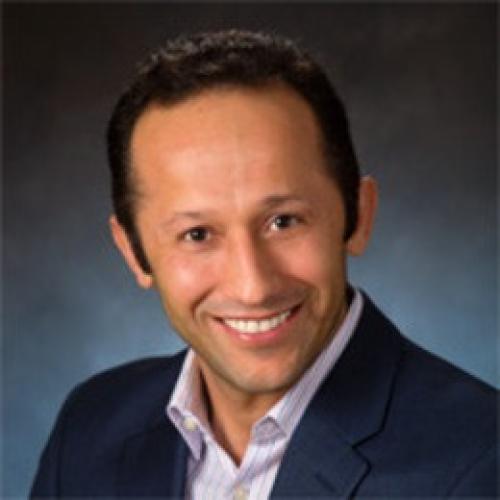
Brian Dunn
Brian Dunn serves as the Inspector General for the Illinois Department of Healthcare and Family Services, where he oversees program integrity efforts for the state’s $37 billion Medicaid program. In this role, he directs criminal and civil investigations, audits, and compliance reviews, and the data analysis that supports this work. Prior to this, Brian served as First Deputy Inspector General and General Counsel for the City of Chicago’s Office of Inspector General. Before leading government oversight work, Brian’s legal career included serving as the General Counsel for the Illinois Department of Human Services and the Illinois Department of Commerce and Economic Opportunity, a litigation associate for a global law firm, and a law clerk for a federal district judge.
Key discussion points:
- How state agencies and managed care organisations can build collaborative infrastructure to facilitate information exchange among MCO SIUs, oversight bodies, actuaries, and auditors
- Impact of shared information exchange on anomaly detection, high risk providers, and overpayment management
- How improved collaboration impacted managed care rate setting

Brian Dunn
Brian Dunn serves as the Inspector General for the Illinois Department of Healthcare and Family Services, where he oversees program integrity efforts for the state’s $37 billion Medicaid program. In this role, he directs criminal and civil investigations, audits, and compliance reviews, and the data analysis that supports this work. Prior to this, Brian served as First Deputy Inspector General and General Counsel for the City of Chicago’s Office of Inspector General. Before leading government oversight work, Brian’s legal career included serving as the General Counsel for the Illinois Department of Human Services and the Illinois Department of Commerce and Economic Opportunity, a litigation associate for a global law firm, and a law clerk for a federal district judge.

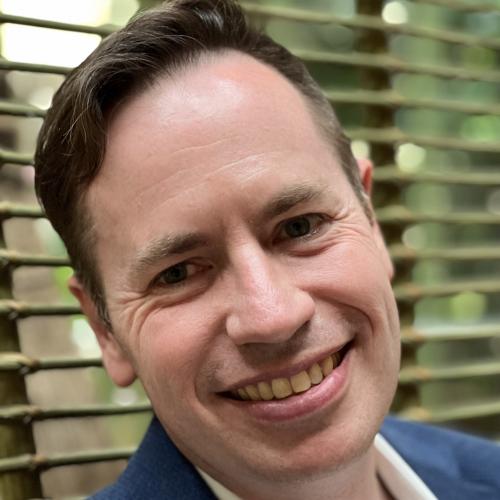
Samantha Werth
As AI adoption accelerates across clinical documentation, coding, and billing workflows, health plans are facing new challenges balancing claims accuracy, operational efficiency, and provider collaboration. Join Alaffia for a candid discussion on how AI-driven claims intelligence can help plans address emerging upcoding risk, improve oversight in high-impact areas, and move closer to a shared source of truth across the claims lifecycle.
- Where health plans are seeing the most volatility in complex, high-dollar claims such as sepsis
- How plans are adapting review and oversight models in an AI-enabled environment while reducing provider abrasion
- How clinician-informed, agentic AI can support scalable payment integrity and workflow automation across pre-pay and post-pay settings
- How payers can use AI to improve coding accuracy, strengthen payer-provider alignment, and support defensible outcomes
In partnership with Alaffia Health

Reed Willis